
Early
Deadline
January 20, 2027
Judging
Date
May 24, 2027
Winners
Announced
June 10, 2027
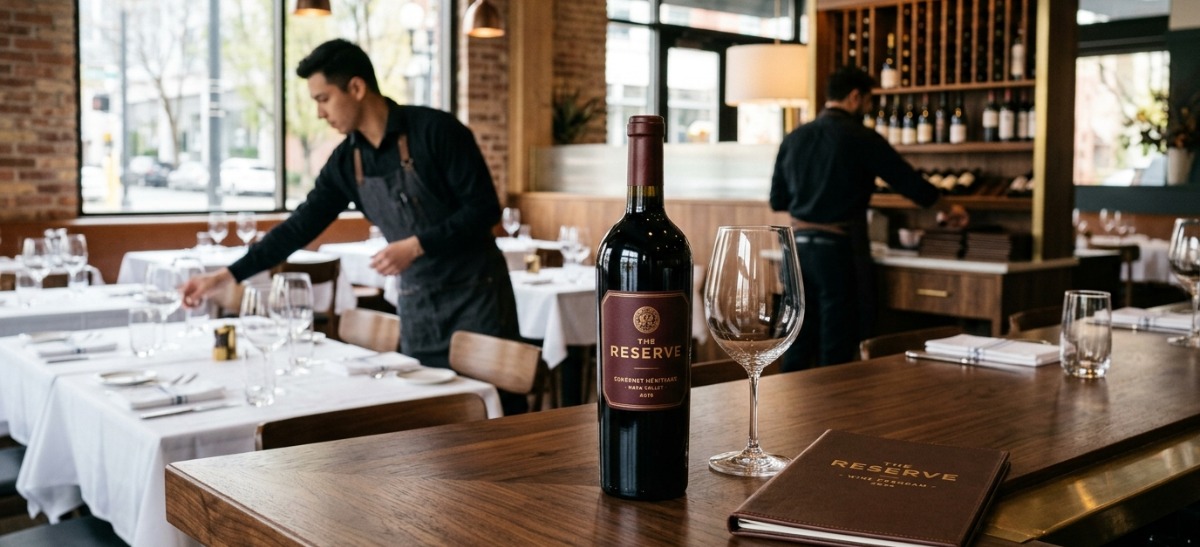
In today’s market, distribution is getting harder. Not because there are fewer buyers, but because there are too many products competing for limited attention. Most restaurants and bars already have established supplier relationships, locked wine lists, and limited flexibility. But there is one segment that continues to offer a clear opportunity for growth: New restaurant and bar openings
These are the accounts where:
• Wine lists are being built from scratch
• Supplier relationships are not yet fixed
• Buyers are actively looking for guidance
At the Sommeliers Choice Awards, we see this firsthand. Wines that perform well in real on-trade environments are the ones that solve real business needs, not just taste good. That same principle applies to sales. If you want to win in 2026, your role is not just to sell wine. It is to help accounts build programs that sell wine.
Sid Patel is the CEO of Beverage Trade Network and the founder of the Sommeliers Choice Awards. Through BTN’s global events, competitions, and buyer networks, Sid works closely with sommeliers, beverage directors, distributors and importers, among other trade professionals.
The Sommeliers Choice Awards is unique because wines are judged by acclaimed on-trade professionals based on quality, value and how well they fit a wine list. This gives a very practical view of what actually works in the market. And that insight directly informs the strategies below.
1. Track Openings Early — Not After Launch
Most reps show up after opening night. That’s too late.
What you need to do instead is track liquor license filings, “coming soon” announcements, and hiring posts and engage with these personnel before they open their doors to the crowd.
For instance, if a new Italian restaurant is hiring a sommelier 2 months before opening, that’s your signal to engage early, before competitors show up.
2. Reach Out 60–90 Days Before Opening
This is when wine lists are actually being built. Start your outreach by sending a short message, offering help with building their wine program. A simple message like "happy to help you structure your BTG and bottle program if useful,” goes a long way in establishing connections and increasing your chances at being noticed.
3. Follow Hiring Signals
Hiring activity = decision-making phase.
What to do:
Track roles like:
• General Manager
• Beverage Director
• Head Sommelier
4. Use Concept Signals to Shape Your Pitch
Every concept needs a different wine program. Study their menu, price positioning, design and branding to be able to prepare and address a pitch that not only identifies the gaps in their programme but also poses your product as the solution to it.
For instance, a high-energy cocktail bar needs a tight, fast-moving wine list, not a 200-SKU selection. Such insights can often help set your product apart while also keeping it at the top of mind for decision makers.
5. Study the Menu First — Always
Wine should follow food. All wine training programes focus on how wine can complement the food and not the other way around. Keeping this in mind brands ought to focus more on how their wine can complement the food, the over all menu and the concept, rather than focusing on the tasting notes and aroma bouquets of the wine in a void.
For example, a seafood restaurant would populate thier wine menu with crisp whites and BTG-friendly options instead of heavy reds.
6. Map Competitors Nearby
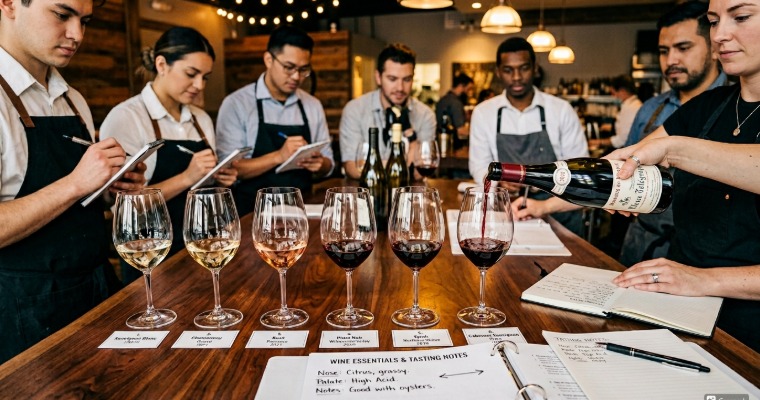
Find gaps in the local market. In order to do this visit nearby venues and identify missing price points and overcrowded categories. This exercise gives you a lay of the land, giving your product a better, stronger chance to be listed in a wine list, even more so if your wine has command over a niche unexplored (yet growing) category.
7. Build a Draft Wine List Before Meeting
When you create a draft before approaching a restaurant, you due deligence will in turn make the decision making easier and very possibly in favour of your SKU. A draft list shows not only have you identified how your wine will fit in with the restaurants programe and concept, but also addresses what gaps your SKUs bridge and why they'd be the perfect fit. This is how you stand out.
What to do:
Create a simple structure:
• 6–8 BTG wines
• 12–20 bottle options
Example:
Present a sample list with price tiers instead of a catalog.
8. Lead With Help — Not Sales
New openings need support, not pressure. Keep in mind their concept, menu, ambience and overall atmosphere of the establishment, before you pitch your wine (as already mentioned in point number 4). And when you do pitch, make sure that you come across as someone who is their to offer support (Say something along the lines of “Let’s build something that works for your concept”), rather than someone who is their to simply sell a bottle of wine.
9. Position Yourself as a Partner
Once you showcase your support in helping the establishment biuld their programme, you can then begin to position yourself as a partner.
At this point you can offer menu pairing ideas, pricing strategy or staff training. Anything that helps ease the decision making or R&D processes will work in your favour.
10. Start With Price Points
By asking questions like "“What price do you want to hit for BTG and bottles?” wine producers can gain insight into excatly what the establishment is looking for. Everything flows from here. You can either pitch your SKU to fit this narrative, or you can use this information, along with your own research to help the establishment see value in your SKU.
11. Offer Structure, Not Brands
Throughout this journey from cellar to shelf, keep in mind that you do no overwhelm your buyer. You have done your homework. What you need to do now is present your finindings in a manner that succinctly answers the more pressing questions a restaurnat may have with regards to stocking your wine (the most important question being why?).
Example:
Instead of listing all your SKUs or offering a catalog of all your products, address the gap you noticed and offer a simple solution. Saying something along the lines of “You need 3 strong BTG whites at $12–15 retail equivalent” attacks the problem headfirst, without wasting time and confusing the buyer all the same time.
12. Focus on Margin + Perception
Balance is key. Remember that a $10 wine that sells at $40 with good turnover will always beat a $15 slow mover.
13. Secure Key Slots First
A wine that is inducted in a BTG programme = More volume.
What to do:
Prioritize:
• House pours
• Entry-level wines
14. Curate Tightly
Less is more. A 25-SKU list that sells is better than a 100-SKU list that confuses.
15. Be Fast. Be Proactive
Speed wins deals and consistency keeps you in the game for the longer run.
Follow up within 24 hours with clear options.
16. Train Staff Before Opening
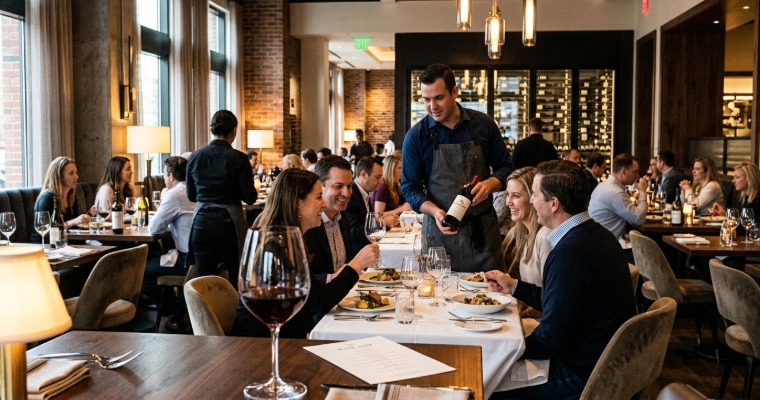
This is critical. When is comes to offering support. staff training is of utmost importance. to ensure that the brand narrative is not harmed at any point of time in the journey from barrel to glass host a pre-opening tasting and educate the staff well about your SKU. Not only does this strenthen brand communication, but also shows these establishment that you are willing to go the extra mile to support thier cause.
17. Be Present in Week 1–2
The initial weeks are when habits form. Help servers understand how to recommend your wine, at least in the initial phase.
18. Track Depletions Early
Don’t wait. Check weekly sales in the first month. This information keeps you up to date on how your product is performing, while also allowing you to strategize ahead to pivot or maintain course, depending on the story the numbers tell.
19. Adjust Quickly
Remember that the only strategy to succeed in the market is to be flexible. Always have contingency plans in place. This will help you shift gears at the drop of a hat, should the need arise.
For instance, if a wine is not moving, replace it fast. Don’t wait months to make a decision, as a delay in making the move could not only cost you a couple a cases, but the entire account.
20. Stay Involved
The relationship starts after listing. But just because the name is listed doesnt mean the work is done. Regularly check in with personnel to ensure there are no hiccups in the movement of product and offer support in any manner that you can to maitain a long-term relation successfully.
The biggest shift in wine sales is this:
Old mindset: “Here is my wine.”
New mindset: “Here is how this wine will work in your business.”
New restaurant and bar openings are not looking for more suppliers. They are looking for people who can help them succeed.
If you can do that — you don’t just win placements, you build long-term distribution.
The Sommeliers Choice Awards helps producers understand how their wines perform in real on-trade environments.
Judged by sommeliers, beverage directors, and buyers, the competition focuses on:
• Drinkability
• Value
• On-premise relevance
For producers and distributors, this provides a clear signal of which wines are most likely to succeed in restaurants and bars.
If you are serious about growing your wine business in 2026, start thinking less about selling wine and more about building programs that sell wine.
Header image generated by Genspark.
Enter the 2027 Sommeliers Choice Awards for expert evaluation from sommeliers and on-premise wine buyers. Receive detailed scores, practical feedback on how to improve, market and sell your wines, and see who judged them—with insights into channel fit and serving suggestions.