
Early
Deadline
January 20, 2027
Judging
Date
May 24, 2027
Winners
Announced
June 10, 2027
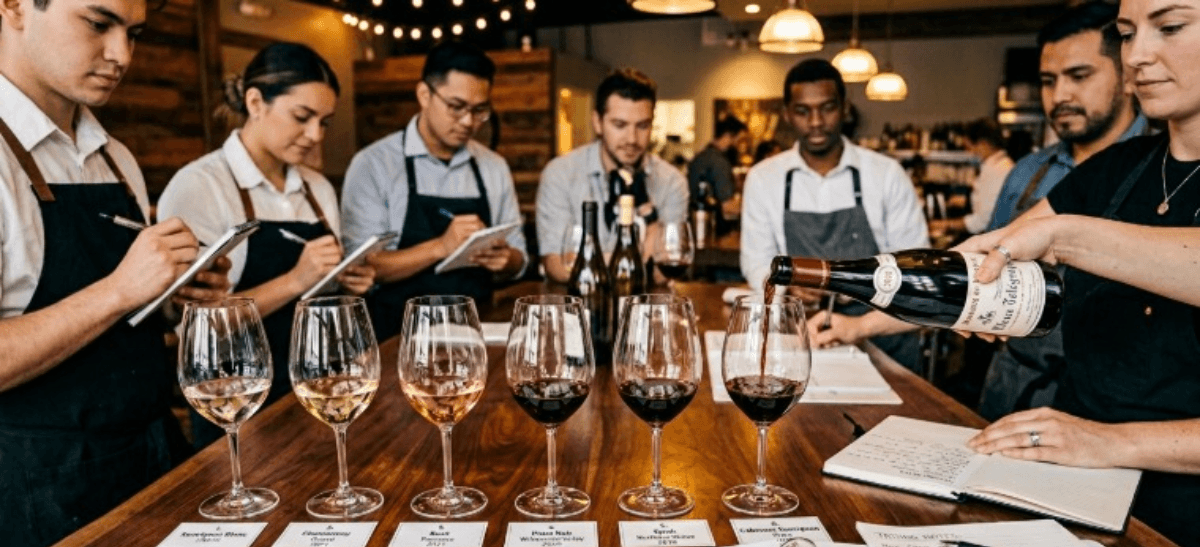
Restaurant wine buying has become considerably more commercially driven over the past few years. While quality remains the foundation of every purchasing decision, today's sommeliers and beverage directors evaluate wines through a much broader business lens. Beverage margins, menu engineering, inventory management, staff training, and guest preferences all influence whether a wine ultimately earns a place on the list.
For wineries, understanding how buyers think can significantly improve conversations with distributors, importers, and restaurant decision-makers. Here are some of the key factors influencing restaurant wine buying today.
Restaurant buyers rarely evaluate a wine in isolation. Instead, they look at how it fits within the existing wine program. Every new listing must earn its place by filling a gap in the portfolio rather than duplicating what is already available. A buyer may already have several Cabernet Sauvignons, but still be searching for a premium by-the-glass option, a sustainably produced wine, or a region that adds diversity to the list.
When presenting a wine, producers should think beyond tasting notes and explain why the wine deserves space on a restaurant list. Understanding the venue's cuisine, clientele, pricing strategy, and current wine selection often creates a much stronger sales conversation than simply focusing on quality scores or awards.
Restaurant staff have limited time with guests. Buyers therefore look for wines that can be recommended confidently and explained simply. While vineyard details and winemaking techniques remain important, they need to translate into a story that restaurant teams can communicate naturally at the table.
Whether the story centres around family ownership, sustainability, old vines, indigenous varieties, or a unique region, buyers want something that helps their staff connect the wine with the guest. Wines with a clear commercial story are often easier to recommend and ultimately sell more consistently.
Buyers don't simply ask whether a wine is worth its wholesale price. They evaluate where it fits within the pricing architecture of the entire beverage program. Every wine list has strategic price points that support both guest expectations and restaurant profitability.
A producer who understands where their wine fits—whether as an entry-level house pour, a premium by-the-glass offering, or a flagship bottle—will generally have a much stronger commercial discussion with buyers than one who focuses only on medals or critic scores.
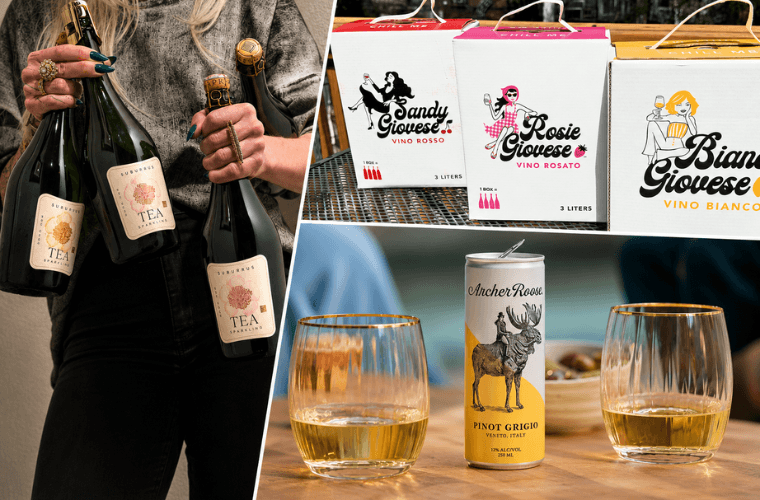
From traditional bottles to bag-in-box and premium canned wines, sommeliers evaluate which products best fit modern restaurant and hospitality programs. Commercial potential—not just quality—is increasingly shaping today's buying decisions. Buyers, see the top wines for restaurants and bars here to consider for your restaurants.
For many restaurants, the by-the-glass program is one of the most important drivers of wine sales. Buyers, therefore, look for wines that remain expressive throughout service, pair with multiple menu items, and appeal to a broad range of guests.
A successful by-the-glass wine also needs to represent strong value while maintaining consistency from vintage to vintage. Producers who can demonstrate that their wines work well in this environment often have a significant advantage when approaching restaurant buyers.
Winning a listing is only the beginning of the relationship. Buyers want confidence that suppliers can maintain stock, support promotions, educate staff, provide tasting samples when needed, and respond quickly if challenges arise.
Restaurants increasingly prefer working with producers and distributors who understand hospitality and actively support the success of the wine program. A reliable supplier often becomes a long-term partner rather than simply another vendor.
Not every excellent wine belongs in every restaurant. Buyers increasingly think about where a wine will perform best before deciding whether to list it. A wine suited to a luxury tasting menu may not succeed in a casual neighbourhood restaurant, while a vibrant, approachable wine may become a star in a busy wine bar or hotel by-the-glass program.
Understanding a wine's natural channel fit helps wineries position their products more effectively and gives distributors stronger selling arguments when approaching different types of hospitality accounts.
For many restaurants, listing a wine is the beginning of a long-term relationship rather than a one-time purchase. Buyers increasingly evaluate the level of support they can expect from the supplier after the wine has been listed. A great wine without ongoing commercial support can quickly lose momentum, whereas a good wine backed by an engaged supplier often becomes a successful long-term listing.
Restaurant buyers value suppliers who invest in staff education, provide tasting opportunities, support menu launches, offer point-of-sale materials where appropriate, and help train front-of-house teams. Sales visits, food pairing sessions, and wine education can significantly improve staff confidence, which ultimately translates into more recommendations and higher sales. Producers should think beyond simply selling a case of wine and instead consider how they can become a valuable partner in helping restaurants build successful wine programs.
Consistency has become increasingly important, particularly for wines intended for by-the-glass programs. Restaurant operators invest considerable time training staff and building guest familiarity around their wine offerings. Significant stylistic changes between vintages can create challenges for both service teams and repeat customers.
While buyers understand that every vintage is different, they generally expect the overall style, quality, and value proposition to remain consistent. Wines that deliver a reliable guest experience year after year are often viewed as lower-risk purchasing decisions and are more likely to secure long-term placements. Producers who communicate vintage variation clearly while maintaining a recognisable house style tend to build stronger relationships with restaurant buyers.
A restaurant can list a great wine, but if the front-of-house team doesn't understand it, it is unlikely to become a top seller. Buyers know that staff confidence directly influences wine sales. Servers who can confidently explain a wine, recommend food pairings, tell the producer's story, and answer guest questions are far more likely to recommend that wine at the table.
This is why many restaurant buyers evaluate the level of educational support a supplier can provide. They look for wineries that are willing to conduct staff tastings, organise wine education sessions, provide concise training materials, create food-pairing guides, record short educational videos, or host virtual masterclasses. These resources help restaurants build product knowledge while giving staff the confidence to upsell wines and improve the guest experience.
For wineries, education should not be viewed as an optional marketing activity but as an extension of the sales process. Suppliers who continue to train restaurant teams after the initial listing often see stronger sales performance, better staff engagement, and longer-lasting listings. In today's on-premise market, helping a restaurant sell your wine is often just as valuable as convincing them to buy it in the first place.
Sustainability has moved beyond being a unique marketing message. For many restaurants, hotels, and hospitality groups, it is becoming an expected part of supplier evaluation. Buyers are increasingly interested in environmental certifications, responsible vineyard practices, lighter-weight packaging, water management, biodiversity initiatives, and broader ESG commitments.
However, sustainability alone rarely secures a listing. Buyers still expect the wine to deliver on quality, value, and commercial suitability. Increasingly, sustainability acts as a filter during the buying process rather than the primary reason for selecting a wine. Producers who can combine strong sustainability credentials with commercial appeal are often better positioned as hospitality businesses continue to strengthen their own environmental commitments.
One of the most overlooked realities of the on-premise market is that restaurants frequently choose suppliers as much as they choose individual wines. Buyers want confidence that the producer, importer, or distributor will be responsive, dependable, and capable of supporting the account over the long term.
Strong importer and distributor relationships can significantly influence purchasing decisions. Buyers know that an experienced supplier can ensure reliable stock availability, coordinate staff training, organise winemaker visits, resolve logistical issues quickly, and introduce new wines that complement the existing portfolio. Wineries should therefore think carefully about the partners representing their brands in each market. The right importer or distributor does far more than move inventory—they become an extension of the winery's sales team and play a critical role in building long-term success in the restaurant channel.
Consistency has become increasingly important, particularly for wines intended for by-the-glass programs. Restaurant operators invest considerable time training staff and building guest familiarity around their wine offerings. Significant stylistic changes between vintages can create challenges for both service teams and repeat customers.
While buyers understand that every vintage is different, they generally expect the overall style, quality, and value proposition to remain consistent. Wines that deliver a reliable guest experience year after year are often viewed as lower-risk purchasing decisions and are more likely to secure long-term placements. Producers who communicate vintage variation clearly while maintaining a recognisable house style tend to build stronger relationships with restaurant buyers.
Restaurant buyers are constantly trying to improve beverage sales, increase average spend, reduce waste, and create better guest experiences. They are rarely looking for "another Chardonnay." They are looking for wines that solve a commercial challenge or strengthen a part of their wine programme.
For example, a casual dining group may be looking for a premium by-the-glass Pinot Noir to encourage guests to trade up, while a steakhouse may need a Napa Cabernet that fits a specific bottle price point. A hotel group may be searching for wines that work well for banquets and private events. Wineries that position their wines as solutions to these business needs tend to have much stronger conversations with buyers than those who simply present tasting notes and awards.
Winning a listing is important, but buyers also want suppliers who can help that wine succeed once it is on the list. Restaurants are more likely to continue buying wines that perform well commercially, so buyers appreciate suppliers who actively support sales rather than assuming the job is done after the first order.
This support can take many forms. It may include creating seasonal wine flights, recommending food pairings, providing tasting notes for menus, organising winemaker dinners, supporting wine dinners, suggesting promotional campaigns, or helping develop premium by-the-glass programmes. Suppliers who actively contribute ideas that increase guest engagement and wine sales quickly become valued partners rather than simply vendors.
Restaurant wine lists evolve because guest preferences evolve. Buyers, therefore, value suppliers who understand where the market is moving and can help restaurants stay relevant.
For example, today's buyers may be looking for lighter-bodied reds that work across multiple cuisines, premium rosés for year-round consumption, lower-alcohol wines, organic and sustainably produced wines, orange wines, or alternative packaging formats for specific occasions. Wineries that can explain how their portfolio aligns with emerging consumer trends demonstrate that they understand not only wine production but also the commercial realities of modern hospitality.
Rather than saying, "This is our newest wine," a stronger approach is to explain why today's consumers are increasingly choosing this style and how it can strengthen the restaurant's wine programme.
Many suppliers focus entirely on securing the initial listing. Experienced restaurant buyers think much further ahead. They want to know how the relationship will develop over the next twelve to twenty-four months.
Questions buyers often ask include:
- How will this brand be supported after launch?
- Will the winery visit the market?
- Are staff training sessions planned?
- Will new vintages be introduced with education?
- Can the supplier support menu changes and seasonal promotions?
- Is there a long-term marketing plan?
For example, if a winery proposes a launch programme that includes quarterly staff training, a winemaker visit, seasonal food-pairing updates, and support for a wine dinner, the buyer sees a long-term partnership rather than a one-time transaction. That level of commitment often gives buyers greater confidence when deciding which wines deserve a place on their lists.
For many wineries, one of the biggest challenges isn't producing high-quality wines—it's understanding how those wines are perceived by the professionals responsible for listing them. Questions such as Which type of restaurant is this wine best suited for? Would buyers see it as a by-the-glass opportunity or a bottle listing? Does it offer the right value for its target price point? They are often difficult to answer from within the winery alone.
This is exactly where the Sommelier's Choice Awards aim to provide value beyond medals.
Every wine entered is evaluated by experienced sommeliers, beverage directors, and restaurant wine buyers who make purchasing decisions every day. Their role isn't simply to score wines, but to assess how those wines are likely to perform in today's on-premise market.
As part of every entry, wineries receive practical commercial insights including How To Improve This Wine, How To Market & Sell This Wine, Channel-Fit Recommendations, Service Recommendations (By the Glass, Bottle, or Both), and complimentary access to the Sommeliers Choice Awards Buyer Market Intelligence Report. Together, these resources provide wineries with actionable feedback that can support product development, sales presentations, distributor conversations, and restaurant outreach.
For wineries looking to increase restaurant listings, strengthen relationships with importers and distributors, or grow their share of the on-premise market, the Sommeliers Choice Awards has become much more than a competition—it's a source of market intelligence from the professionals who influence buying decisions every day.
Entries are now open, and wineries focused on growing their presence in restaurants and hospitality are encouraged to participate.
Also Read:
Cracking The Code To Pitch Multi-Unit Hospitality Groups
The Case for Kabinett: Schloss Vollrads Wins Riesling of the Year at 2026 Sommeliers Choice Awards
Susurrus Sparkling Teas: Bringing the Language of Terroir to Tea
Enter the 2027 Sommeliers Choice Awards for expert evaluation from sommeliers and on-premise wine buyers. Receive detailed scores, practical feedback on how to improve, market and sell your wines, and see who judged them—with insights into channel fit and serving suggestions.