Early
Deadline
January 20, 2027
Judging
Date
May 24, 2027
Winners
Announced
June 10, 2027
What makes a wine relevant to a restaurant today? Quality matters, but so do its place on the menu, its appeal to guests, and the confidence of the people recommending it.
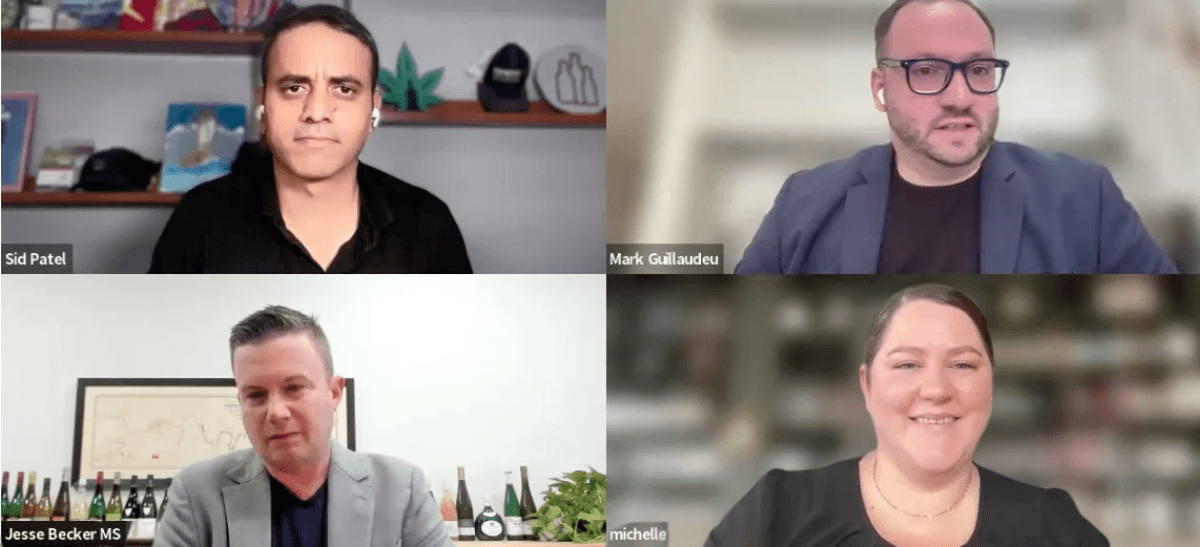
These questions shaped the Sommeliers Choice Awards webinar, “On-Premise Wine Trends of USA,” moderated by Sid Patel, Founder and CEO of Beverage Trade Network. Bringing together Master Sommeliers Jesse Becker and Mark Guillaudeu, alongside hospitality wine professional Michelle Federschmidt, the discussion examined opportunities for wineries heading into 2027.
Drawing on their experiences in restaurant service, wine sales and program development, the speakers shared a consistent message: producers improve their chances when they understand the account and help the restaurant deliver a compelling guest experience.
Guillaudeu described continued demand for Sauvignon Blanc, particularly French expressions, alongside increasing interest in lighter red wines.
At Eleven Madison Park, where he works, he has seen the red wine selection move further toward styles such as Pinot Noir, Grenache and Blaufränkisch. He also reported more guests explicitly asking for lower-alcohol wines and dealcoholized options.
Becker, whose work focuses on German wines, sees these preferences aligning naturally with the Riesling and Pinot Noir he represents. He recalled visiting a Chicago wine bar where the red selection leaned heavily toward Pinot Noir, Gamay and fresh Italian reds.
Federschmidt echoed the interest in chillable reds, highlighting Gamay alongside aromatic, vibrant white wines.
The discussion also connected changing wine preferences with changing menus. Guillaudeu noted that lighter dishes, smaller portions and different protein choices create opportunities for wines that complement those experiences.
For producers, this means describing a wine in terms a restaurant can use: its freshness, texture, weight, and suitability for the food being served.
Becker identified casual dining and all-day cafés as concepts where he sees opportunity. These venues can welcome guests for coffee during the day and transition into wine service in the evening.
Guillaudeu described a similar New York setting combining books, coffee and evening wine service. Such spaces give people several reasons to visit, making wine part of a comfortable social environment.
He also suggested that producers consider private clubs as potential sources of recurring business. An established community of returning guests can create opportunities for repeated exposure to a wine and stronger relationships over time.
Federschmidt emphasized the appeal of restaurants with a clear point of view. The atmosphere, food, service, and drinks should work together so guests feel immersed in an experience.
For wineries, the implication is to evaluate prospective accounts beyond reputation alone. The audience, occasions, frequency of visits, and potential for repeat orders all deserve attention.
A guest ordering wine by the glass may want to explore several experiences throughout a meal.
Guillaudeu described younger diners moving between cocktails and different wines rather than committing to one bottle. The appeal can lie in trying something new as the evening progresses.
That distinction matters when interpreting a wine’s performance. A guest who enjoys one glass and then orders a different wine has not necessarily rejected the first selection.
Federschmidt explained that staff should also recognize when a bottle provides an attractive alternative. If two guests expect to order several glasses of a similar wine, a thoughtful bottle recommendation can improve their experience.
Her experience with a half-price bottle promotion revealed different ideas of value. Some guests used the offer to trade up, while others enjoyed the opportunity to spend less.
Becker stressed that accessible wines suitable for glass pours remain important to his business. Producers should understand the price at which a restaurant can comfortably serve their wine by the glass.
Guillaudeu also advocated offering half-glasses, even when they are available only on request. A smaller serving can accommodate a guest who wants a little more wine with a course without committing to another full glass.
The panel described greater intentionality in wine list construction.
Guillaudeu connected this with the need to manage inventory risk and changing costs. A broad selection ties up capital, while a more focused program can be easier to control.
He also sees guests valuing curation: a selection that feels specific to the restaurant and thoughtfully assembled.
Federschmidt described planning the structure of a new restaurant’s wine program before taking supplier appointments. The number of wines, price range and level of accessibility were being considered from the outset.
For suppliers, this raises a practical question: what role will this bottle play?
A wine might complement a dish, serve an appropriate price point, strengthen a regional selection or answer a request from guests. Producers who can explain that role make it easier for buyers to assess the opportunity.
Becker’s preparation begins with reading the menu and wine list. Where possible, he likes to visit as a guest to understand the atmosphere before approaching the buyer.
He looks at the chef’s direction, pricing, and potential openings in the existing program.
Guillaudeu reinforced the importance of research. He recalled suppliers presenting wines that did not meet a program’s organic farming requirements—a mismatch that suggested they had not understood the account.
Federschmidt recommended asking questions about the full operation:
- What spend does the restaurant expect from its guests?
- How does the bar function alongside the dining room?
- What is the direction of the food menu?
- How should wine contribute to the overall experience?
She also cautioned against approaching the buyer as though their list needs fixing. A collaborative discussion allows the operator to explain decisions that may not be obvious from the printed menu.
Becker offered a straightforward reminder about the work involved: “We carry a bag. We need to get in front of our customers and pour them wine.”
Credentials and expertise can support a conversation, but preparation and consistent sales work remain essential.

Becker used Silvaner as an example of introducing a less familiar variety through a recognizable drinking style.
He described a dry, crisp white that could appeal to guests who enjoy fresh Italian whites. Food pairings and seasonal relevance offer further ways to explain its place in a restaurant program.
This approach gives staff a practical starting point. Who might enjoy the wine? What does it taste like? Which dishes work well with it?
The same principle applies to conversations with younger guests.
Guillaudeu described diners using photographs of bottles and language about feelings or experiences to communicate their preferences. Federschmidt welcomed these cues as useful information.
Her priority was to make guests comfortable: use familiar language, avoid judgment, and help them find something they enjoy. An approachable conversation can create the confidence needed to try a new producer, variety, or region.
Guillaudeu offered a caution about premium by-the-glass placements.
In his experience, established regions and categories can carry considerable weight. He described guests readily ordering expensive red Burgundy without knowing the producer, while California Pinot Noir at similar prices could face more resistance.
These observations came from the premium segment he serves, but they raise an important question for producers: what will make the guest comfortable ordering this wine at this price?
Quality is essential. Familiarity, positioning, and the restaurant team’s ability to explain the wine also influence its prospects.
Federschmidt described the first month of a listing as a period for building staff knowledge and enthusiasm.
Teams taste the wine, learn where it sits on the list and understand how it compares with neighboring selections. That foundation helps them recommend it confidently.
At 60 and 90 days, she looks more closely at depletions, reorders, guest satisfaction, and consistency. Dependable availability and confidence in future vintages also contribute to the decision.
She recalled a Bordeaux blend that performed well in one restaurant before expanding into additional concepts. Positive guest responses strengthened staff confidence, helping the wine become a reliable part of the program.
Supplier support is particularly valuable at the beginning. Training, bottles, pre-shift tastings, and useful details about the winery can give staff something memorable to share at the table.
For producers, the first purchase order is therefore the start of the account relationship. Supporting the team and following the wine’s performance can help turn an initial placement into sustained business.
[[relatedPurchasesItems-70]]
The speakers remained positive about opportunities in their own markets while acknowledging wider industry challenges. Their experiences point toward a practical approach for wineries: understand the restaurant, present relevant wines, and help the team sell them successfully.
A strong pitch connects the bottle with the food, the guest, and the business. A strong partnership continues after the tasting, through education, reliable supply, and attention to what happens on the floor.
Based on the Sommeliers Choice Awards webinar “On-Premise Wine Trends of USA,” held on October 29, 2026.
Also Read:
How Top Wine Sales Representatives Win: Insights From Matthew Citriglia MS
Why Sparkling Wine Offers a Growth Opportunity in a Challenging Market
Shaina Nestor on Leadership, Hospitality and Building a Guest-Focused Wine Program
Enter the 2027 Sommeliers Choice Awards for expert evaluation from sommeliers and on-premise wine buyers. Receive detailed scores, practical feedback on how to improve, market and sell your wines, and see who judged them—with insights into channel fit and serving suggestions.