
Early
Deadline
January 20, 2027
Judging
Date
May 24, 2027
Winners
Announced
June 10, 2027
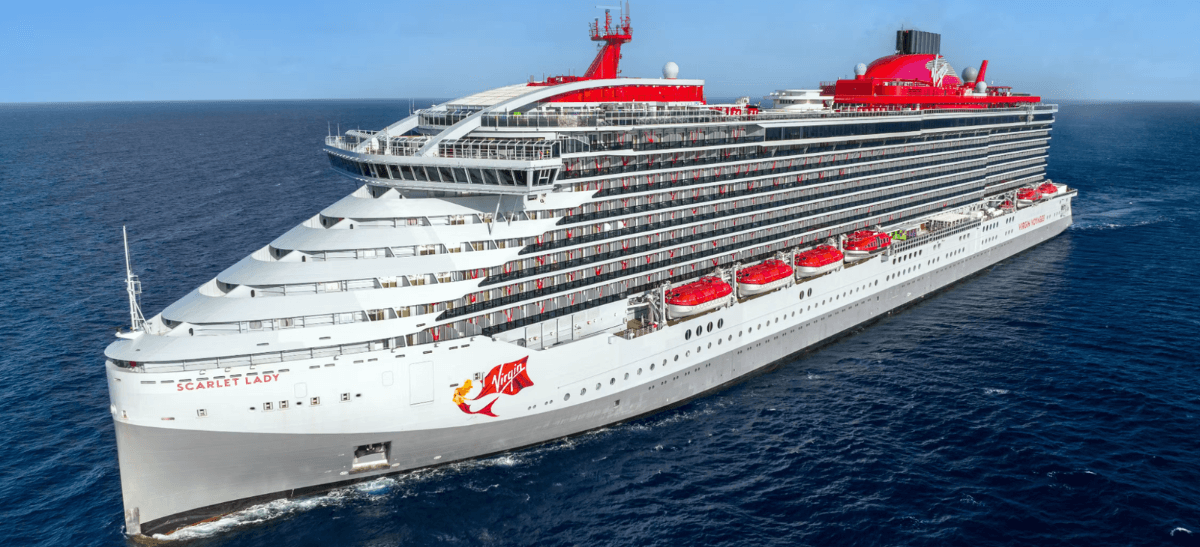
Airlines and cruise lines can offer beverage brands substantial volume, international visibility, and access to consumers in a highly experiential setting. However, securing a listing in these channels requires far more than presenting a strong wine or spirit at an attractive price.
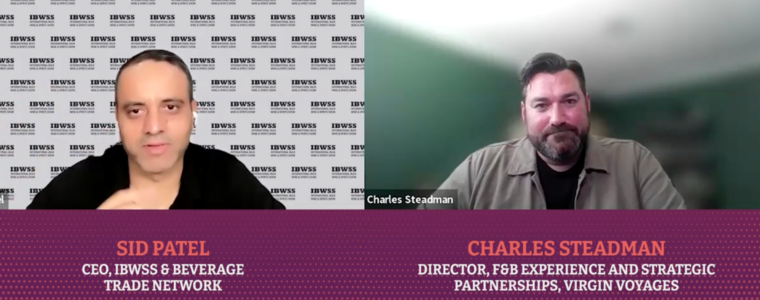
In this conversation with Sid Patel, Charles Steadman, Director of Food & Beverage Experience and Strategic Partnerships at Virgin Voyages, provides an inside look at how beverage products are evaluated for cruise programs. He discusses procurement, pricing, logistics, supply consistency, guest experience, and the ongoing support required after a product comes onboard.
The central message from Steadman is clear: getting listed is only the beginning. The real opportunity lies in creating a partnership that is sustainable, reliable, and scalable.
Charles Steadman is Director of Food & Beverage Experience and Strategic Partnerships at Virgin Voyages, where his work sits at the intersection of food and beverage, commercial strategy, brand experience and supplier partnerships.
A hospitality professional with more than 20 years of experience, Steadman has been involved with Virgin Voyages since the early development of the brand and has helped shape its onboard food and beverage experience.
Before joining Virgin Voyages, he served as Beverage Director at 1 Hotels, where his responsibilities included wine, cocktails and beverage programming across restaurants, bars, pools, beaches and in-room dining. Earlier in his career, he spent more than a decade at The Breakers Palm Beach and also operated his own restaurant.
His experience gives him both a creative and commercial perspective on beverage buying: the product must enhance the guest experience, but it must also work operationally and financially across a growing fleet. Steadman is also a judge at the Sommeliers Choice Awards.
Charles Steadman: My role sits at the intersection of food and beverage, brand experience, and strategic partnerships. We are looking at how we can create moments that have cultural relevance, a social aspect, and something memorable that our Sailors can take home with them.
It is not only about selecting beverages. It is about considering how a product or partnership contributes to the wider Virgin Voyages experience.
Charles Steadman: It involves several considerations and stakeholders. We have to look at the quality of the product, its commercial viability, the experience it can create, and whether it will work within our operation.
A product may be exciting, but we also have to understand whether it can be supplied consistently, stored correctly, and executed properly by our onboard teams. The decision is not based on the liquid alone. Everything surrounding the product has to work as well.
Charles Steadman: Coming in with a generic pitch is one of the biggest mistakes. Sometimes we receive what appears to be an airline presentation that has simply been changed slightly and presented to a cruise line.
Cruise is not just another travel channel. It has a completely different guest journey, operating model and experience environment. A supplier needs to demonstrate that it understands the particular company it is approaching and how its product can contribute to that company’s experience.
Charles Steadman: Suppliers should understand the brand, the guest, and the onboard experience. They need to do their research and explain why their product belongs within that particular environment.
At Virgin Voyages, we have a very distinct brand identity. A successful presentation should show how the product aligns with that identity and how it could create something relevant and memorable for our Sailors.
The strongest suppliers do not simply explain what their product is. They explain why it makes sense for us.
Charles Steadman: Preparation is important. The supplier should understand its pricing, production capacity, distribution, and logistics. It should also be able to explain clearly how the product fits the program.
The liquid needs to be good, the packaging should be compelling, and the brand story has to resonate. However, those elements are only the starting point. We also need confidence that the supplier understands the operational side of the opportunity.
A realistic and well-researched presentation is much more valuable than a broad claim that the brand can supply any quantity or work in every part of the program.
Charles Steadman: The product is obviously important. The liquid has to be strong, the packaging has to be compelling, and the brand story needs to connect with the audience.
However, a great product by itself is not enough. I am also thinking about whether it can work onboard. Can it be supplied consistently? Is the format appropriate? Does it store well? Is it easy for our teams to execute? Most importantly, does it enhance the Sailor experience in a meaningful way?
Charles Steadman: They all have to work together. A strong story can create an emotional connection, but the product still has to deliver. It also has to make commercial and operational sense.
We are looking at the complete proposition. Does the product taste good? Does the story feel authentic? Will our Sailors connect with it? Can our Crew explain and serve it effectively? Can the supplier support it consistently?
A product has a stronger chance when those elements reinforce one another.
Charles Steadman: Operational factors are just as important as the product itself. In some cases, they determine whether a brand can move forward in the program.
A ship is not a traditional restaurant or retail location. There are fixed delivery schedules, limited storage areas, and multiple operating destinations. Once the ship departs, it is not always possible to solve a supply problem quickly.
We therefore need to know that the supplier can maintain consistent availability and support the agreed program. Reliability is essential because a disruption affects the onboard team and, ultimately, the guest experience.
Charles Steadman: They should be transparent and realistic. Not every initial opportunity needs to begin across the entire fleet.
If a brand has limited production, there may be an opportunity to start with a particular activation, venue, itinerary, or part of the program. What matters is being honest about what can be delivered and then delivering it consistently.
It is better to begin at an achievable level and grow successfully than to promise more volume than the business can support.
Charles Steadman: Suppliers need to understand that cruise is a commercially demanding channel. The price must work within the overall beverage program, not simply against the producer’s regular wholesale price.
The buyer has to consider the complete cost of getting the product onboard, the intended selling price, the role of the product within the program, and the margin required to make that placement sustainable.
Brands should arrive knowing their costs and with a realistic understanding of the channel. If the pricing structure does not work from the beginning, it becomes difficult to build a long-term program.
Charles Steadman: Packaging has both an experiential and an operational role. It should look compelling and communicate the brand effectively, but it must also be practical.
We consider whether the format stores efficiently, whether it can be handled and served properly, and whether it suits the venue or experience in which it will appear.
A beautiful package can attract attention, but if it creates operational difficulties, that becomes a significant consideration.
Charles Steadman: Not necessarily. Emerging brands can offer innovation, authenticity and stories that guests find exciting. The important question is whether the business is prepared to support the opportunity.
A smaller brand still needs to understand distribution, logistics, pricing and supply. It should also have a clear idea of how it can support the product after it is listed.
The size of the company is not the only consideration. Its readiness, flexibility and ability to execute are equally important.
Charles Steadman: The story needs to be authentic, relevant and easy to communicate. Our Crew should be able to understand it and share it naturally with our Sailors.
There is also an opportunity to bring the story to life through tastings, events, dinners, cocktails or other experiences. Those moments can create a much deeper connection than simply placing a bottle behind a bar.
The strongest partnerships find ways to turn the brand into part of the overall experience.
Charles Steadman: It is very important. Getting the listing does not automatically mean the product will be successful.
The onboard team needs to understand what the product is, why it was selected, and how it should be presented. When Crew members have confidence in a product and understand its story, they are better equipped to recommend it.
Suppliers should therefore think beyond the initial sale and consider how they can help educate, activate, and support the team.
Charles Steadman: There can be several reasons. The product may not perform commercially, supply may become unreliable, the brand may not provide enough support, or the product may no longer fit the direction of the program.
Sometimes brands work very hard to secure the listing and then reduce their involvement once the first order has been placed. That is a mistake. A listing needs to be supported and developed.
We continually evaluate how products are performing and whether they continue to contribute to the guest experience and the business.
Charles Steadman: Cruise should be approached as its own environment. The guest is onboard for an extended period and can interact with a brand several times across different venues and experiences.
That creates interesting opportunities for discovery and engagement, but it also makes consistency especially important. The product, service and story need to work throughout the journey.
Suppliers should avoid treating cruise as simply another place to sell bottles. They should consider how the brand can become part of the guest’s overall vacation experience.
Charles Steadman: A supplier earns another conversation when it has done its research, understands our brand and presents an idea that is relevant to our Sailors.
I also want to see that the company understands the operational requirements and is prepared to work collaboratively. The most interesting proposals combine a good product with a clear plan for execution, activation and long-term growth.
Charles Steadman: The partners we value most understand that getting listed is only the beginning. The real opportunity is to build something sustainable, reliable and scalable over time.
We want partners who remain engaged, help us create meaningful experiences and can grow with the program. The relationship should work for the supplier, for Virgin Voyages and, most importantly, for our Sailors.
A cruise-line listing can provide a wine or spirits brand with meaningful volume, international exposure and the opportunity to reach consumers in an experience-led environment. However, success requires much more than submitting samples and negotiating a price.
Brands must demonstrate:
- A clear understanding of the cruise company and its guests
- Strong product quality and relevant positioning
- Realistic pricing and production capacity
- Dependable distribution and supply
- Operationally suitable formats and packaging
- Training and activation support
- A willingness to remain involved after the initial listing
As Charles Steadman makes clear, the best suppliers approach cruise lines as long-term experiential partners—not simply as customers placing large orders.
Editor’s note: This Q&A has been lightly edited and organised from the video interview for clarity and readability. It is not presented as a word-for-word transcript.
Also Read:
Cracking The Code To Pitch Multi-Unit Hospitality Groups
What Restaurant Buyers Really Want From Suppliers Today?
How Wine Sales Reps Can Win New Restaurant & Bar Openings in 2026
Enter the 2027 Sommeliers Choice Awards for expert evaluation from sommeliers and on-premise wine buyers. Receive detailed scores, practical feedback on how to improve, market and sell your wines, and see who judged them—with insights into channel fit and serving suggestions.